We use cookies to make this site work. We'd also like to set optional cookies so we can understand how the site is used and improve it. We will not set optional cookies unless you accept them. You can change your choice at any time from the Cookie settings link in the footer.
Strictly necessary cookies
These cookies are required for the site to work. They store your cookie preferences and keep your session secure. They are exempt from consent under PECR Regulation 6(4) because they are essential to deliver the service you have requested.
Optional cookies
Optional cookies help us understand how the site is used and provide additional features such as analytics, accessibility tools and translation. We will only set them if you accept.

Mediterranean Diet
What is the Mediterranean Diet and how can it help?
The Mediterranean diet is a heart-healthy eating pattern inspired by the traditional diets of countries bordering the Mediterranean Sea, such as Greece, Italy, and Spain.
It is associated with numerous health benefits, including reduced risk of heart disease, stroke, type 2 diabetes, and certain cancers. The scientific evidence for the benefits of the Mediterrenean diet is very strong.
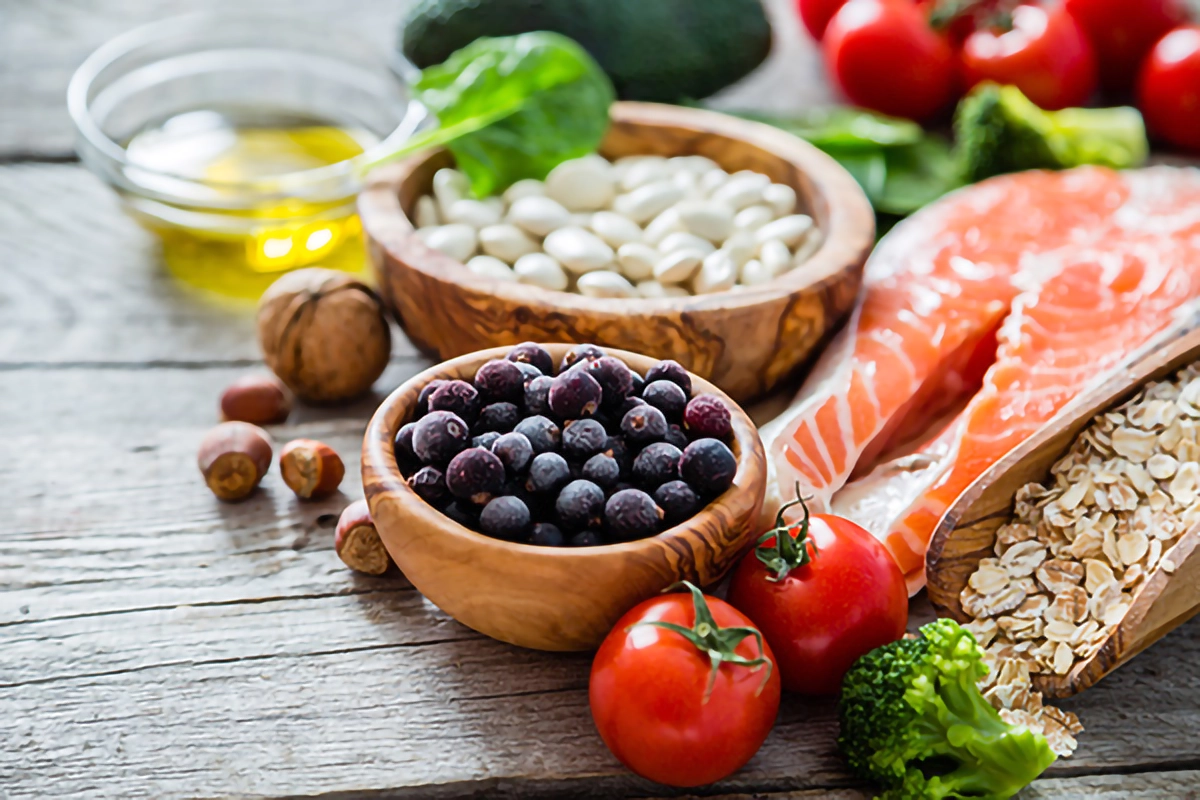
Key Principles
- Emphasis on Whole Foods: Prioritises fresh, minimally processed foods.
- Healthy Fats: Encourages olive oil as the primary fat source, along with nuts and seeds.
- High in Plant-Based Foods: Rich in fruits, vegetables, legumes, whole grains, and nuts.
- Moderate Protein Intake: Focuses on fish, seafood, poultry, and plant-based proteins, with limited red and processed meats.
- Dairy in Moderation: Includes yoghurt and cheese in moderate amounts.
- Limited Added Sugars and Processed Foods: Avoids refined sugars, ultra-processed foods, and excess salt.
- Social and Lifestyle Factors: Encourages mindful eating, physical activity, and social dining.

Foods to Include
Fruits & Vegetables: Tomatoes, leafy greens, peppers, citrus fruits, berries.
Whole Grains: Brown rice, whole wheat bread, quinoa, oats.
Healthy Fats: Olive oil, nuts (almonds, walnuts), seeds (chia, flaxseeds).
Legumes: Lentils, chickpeas, beans, pulses
Protein Sources: Fish (especially fatty fish like salmon and sardines), poultry, eggs, and plant-based proteins like tofu.
Dairy: Cheese and yoghurt in moderation.
Herbs & Spices: Garlic, oregano, basil, rosemary.
Foods to Limit or Avoid
- Red & Processed Meats: Limit beef, pork, bacon, sausages.
- Refined Grains: White bread, pasta, and rice.
- Sugary Foods & Drinks: Sweets, fizzy drinks, and desserts high in added sugar.
- Processed & Fried Foods: Chips, fast food, and ready meals high in unhealthy fats.
Health Benefits
- Heart Health: Lowers LDL (bad cholesterol) and increases HDL (good cholesterol).
- Diabetes Management: Helps regulate blood sugar levels.
- Weight Management: Supports sustainable weight loss and maintenance.
- Brain Health: May reduce the risk of cognitive decline and Alzheimer’s disease.
Conclusion
The Mediterranean diet is a flexible, balanced, and sustainable way of eating that promotes overall well-being. It is not a strict diet but rather a lifestyle approach to healthy living that can be adapted to individual preferences and cultural traditions.